Where to Eat in Ilgwang, Gijang: Beachfront Cafes or the Market Side
Cafes and light meals cluster along the Ilgwang beachfront, while sit-down full-table meals are found on the Gijang Market side, just two Donghae Line stat
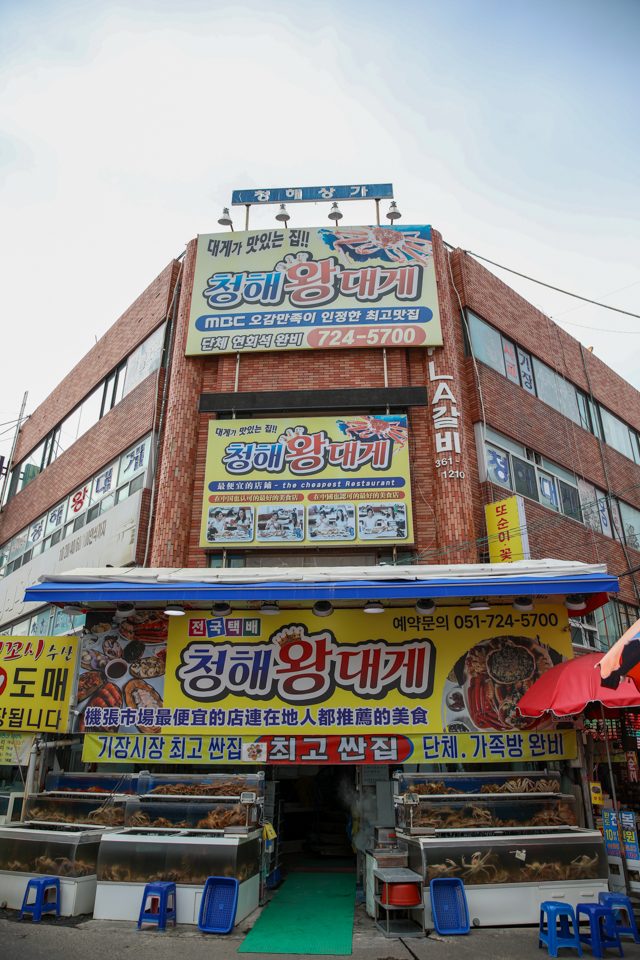
The most comfortable order is to see the sea at Ilgwang and then have dinner at Gijang Market. Cafes and light meals cluster along the Ilgwang beachfront, while a proper full table is found over on the market side. The two are just two stations apart on the Donghae Line.
Guests who searched for good places to eat around Ilgwang in Gijang and eventually made their way down to the market often say the same thing as they sit down. “The sea was wonderful, but we wandered around forever trying to figure out what to eat.” That is understandable. The stretch in front of Ilgwang Beach is closer to a cafe street. There is plenty to choose from if you want coffee and brunch, but the moment you look for a proper sit-down meal, the options shrink dramatically.
I am writing this article to spare you that wandering. Having run our business in Gijang Market for 25 years, we meet people coming over from the Ilgwang side every single day. The routes they wander before they find us are fairly predictable, so I figured that writing that path down as it is would be helpful.
Let me say up front that this is not an article telling you to come to our restaurant. I will separate two things: how to sort out a meal near Ilgwang itself, and the cases where it is genuinely worth coming over to the market. You can read it and make the call yourself.
Contents
- The lay of the land in Ilgwang
- When you eat right by the beach
- When it is worth coming over to the market
- How to connect the two places
- Recommended order by time of day
- Ilgwang beachfront versus the market side, in a table
- Roads that lead on from Ilgwang
- Choices that split depending on your party
- Choosing your crab at the market
- What we do at the market
- Frequently asked questions
The Lay of the Land in Ilgwang
You need to understand the geography first before you can make a plan. Ilgwang is a coastal town in the upper part of Gijang-gun. A long sandy beach stretches out, and behind it stands a single row of shops.
That single row is the key to everything. The spots facing the sea directly command high rents, so businesses with fast table turnover settle there. That is why there is so much coffee, dessert, and simple brunch. Conversely, meal-focused places where you spread out a full table and eat slowly have a hard time taking root there.
So when you search for places to eat in Ilgwang, cafes dominate the results. It is not that the information is thin. The town really is like that. If your goal is a cup of coffee with a view of the sea, Ilgwang is wonderful. The problem is what comes after.
For a proper full table, especially if you want to sit with seafood for a good long while, you need to come down toward Gijang-eup to the south. That is where the seafood trade has always circulated, so the restaurants are gathered there.
When You Eat Right by the Beach
If you plan to have your meal right at the Ilgwang beachfront, it helps to adjust your expectations. Not because it is bad, but because the character is different.
At a seat with an ocean view, the view is included in the price. The same dish is reckoned differently there than on the market side. In exchange, you get the experience of watching the waves while you sit. If that is what you are buying, it is a perfectly reasonable choice.
If a light meal and coffee are what you want, there is no reason to go anywhere. Taking a walk on the sand and settling things right in front of the beach is the most time-efficient plan there is. Especially with a small child or a tight schedule, the travel itself becomes a burden.
The evening hours do call for a check, though. The beachfront trade leans heavily on daytime business, so some places close early in the evening, mixed in among the rest. That is especially true outside the summer high season. It is safer to confirm opening hours before you head over.
When It Is Worth Coming Over to the Market
On the other hand, there are cases where coming down to the market is the better move. They fall into three groups.
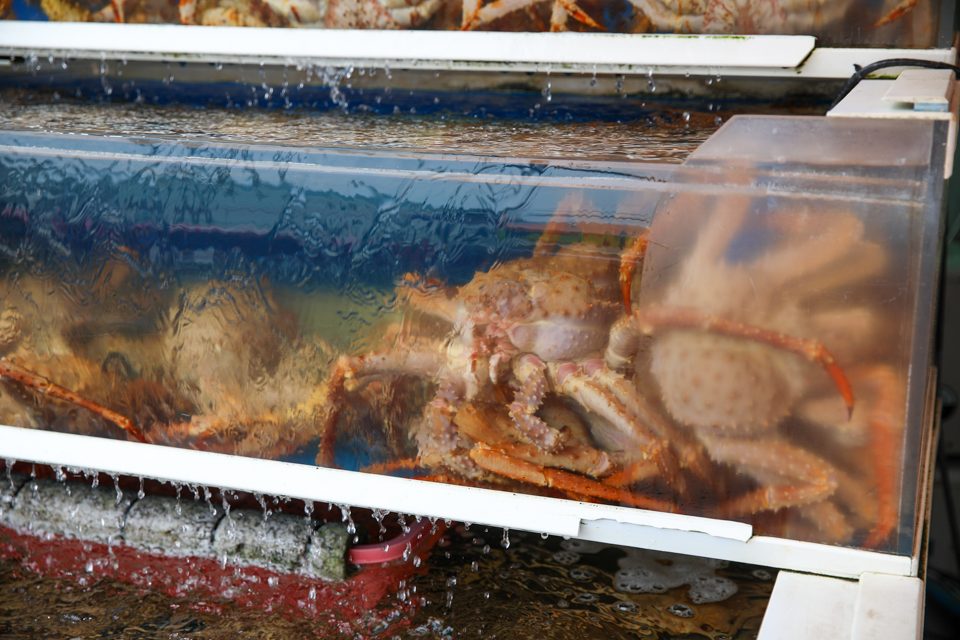
First, when you want to eat seafood properly. Picking your own crab from the tank and having it cleaned and served on the spot is only possible in a place where the stock actually circulates. The beachfront sells seafood too, but the structure behind it is different.
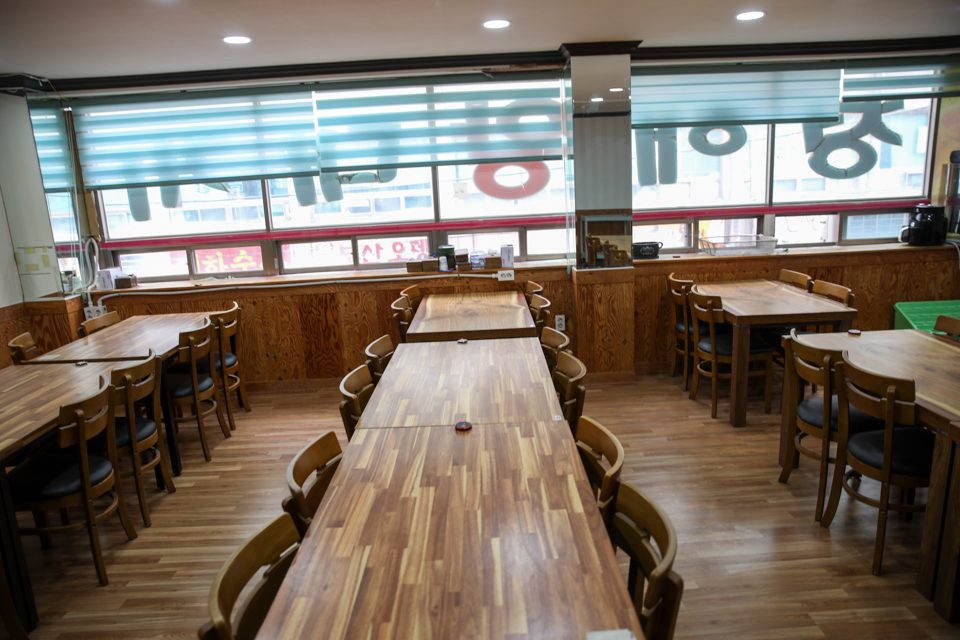
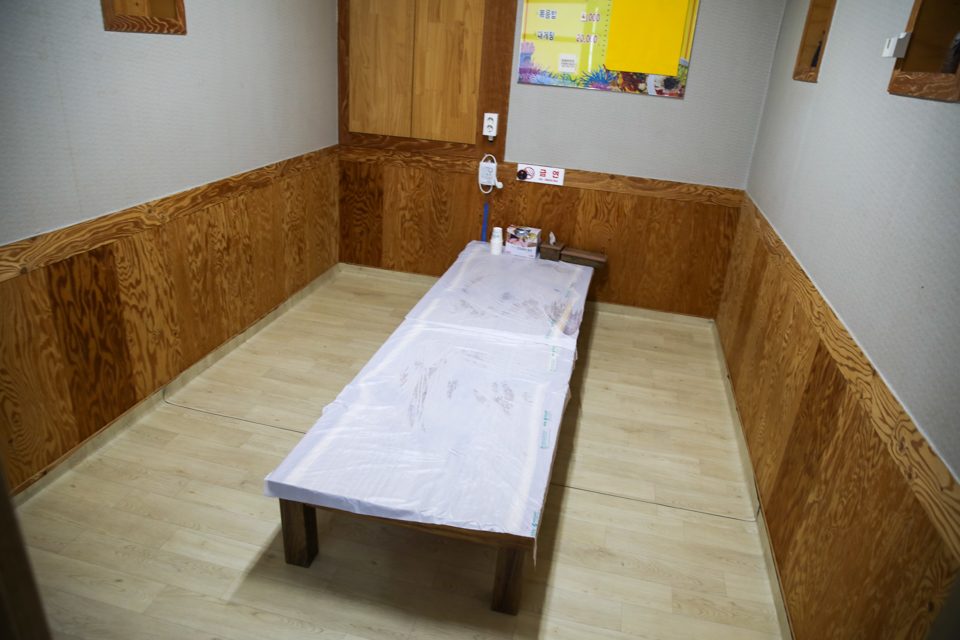
Second, when your party is large. Beachfront seating tends to be tightly packed. With six or more people, finding a table is not easy, and if the gathering needs a private room, even more so. Market-side restaurants have always taken group parties, so the spaces are large.
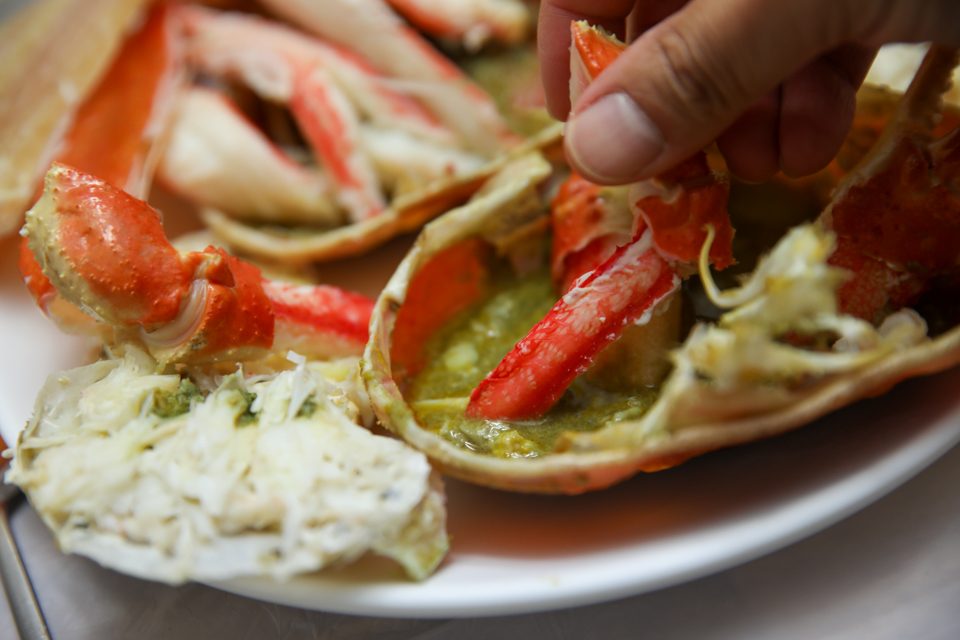
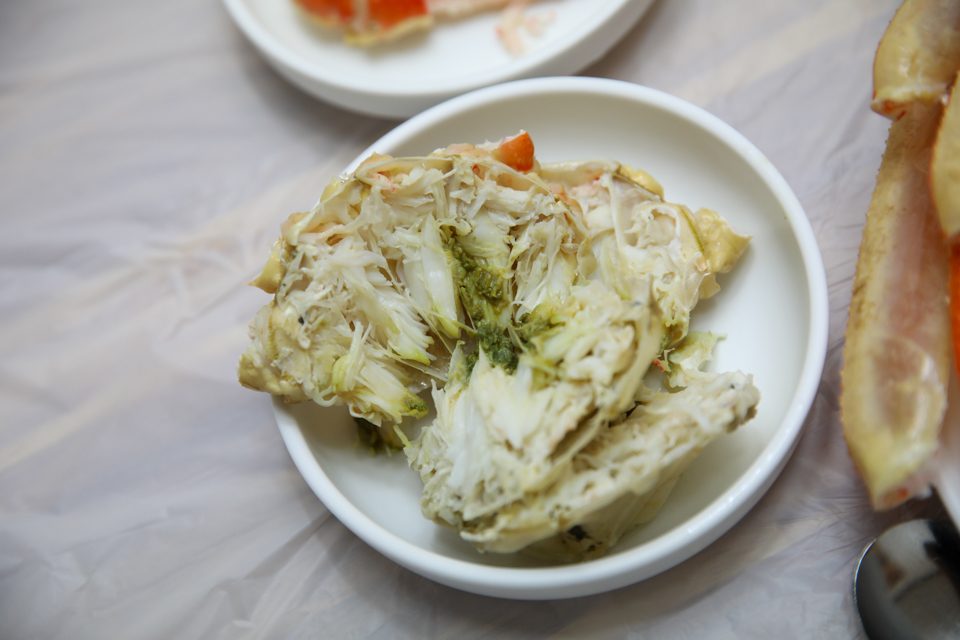
Third, when you plan to sit for a long time. With food you pick apart shell by shell, like snow crab, an hour goes by in a blink. Doing that in a fast-turnover seat is uncomfortable for everyone involved.
If even one of the three applies to you, the two-station trip is worth making. If none do, there is no need to come.
How to Connect the Two Places
Ilgwang and Gijang Market are closer than you might think. The Donghae Line metropolitan rail links the two.
From Ilgwang Station to Gijang Station is two stops. The trains do not run at tight intervals, so checking the schedule on an app before you move cuts down the waiting. From Gijang Station, the market is within walking distance.
Coming by car is faster still. Parking near the market does swing with the time of day, though, and the crunch is between eleven in the morning and one in the afternoon. That is when you overlap with the people coming to do their market shopping. Avoid just that window and it is easy going.
The most natural flow is to see the sea at Ilgwang and come over to the market in the late afternoon. You can buy anything you want to carry home at the very end and head straight back, and the market itself is relaxed at that hour.
Recommended Order by Time of Day
If you are combining Ilgwang and the market into one day, here is how it sorts out by starting time.
If you start in the morning. Walk the Ilgwang sands first. There are few people and the light is lovely. Rest at a beachfront cafe around eleven, then take a late lunch at the market and the timing works out just right. That window is when the market offers the widest selection to choose from.
If you start in the afternoon. Flip the order. Eat an early dinner at the market first, then go up to Ilgwang and watch the sun go down. In summer this direction is far better, since the beach is hot at midday and the evening sea is at its finest.
If you only have the evening. Do not get greedy. Pick one place. I often see people try to cover both, spend all their time in transit, and end up doing neither properly.
Ilgwang Beachfront Versus the Market Side, in a Table
To make the choice easier, I have sorted out the character of each. It is not that one is better than the other. They serve different purposes.
| Category | Ilgwang beachfront | Gijang Market side |
|---|---|---|
| Main trade | Cafes, desserts, light meals | Seafood, full meals |
| View | The sea, right in front of you | Market alleys |
| Length of stay | Good for a short rest | Good for sitting and eating long |
| Group seating | Limited | Roomy |
| Evening hours | Some places close early | Mostly open late |
| Choose it when | Coffee after a walk | A proper full table |
Look at the table and the answer presents itself. If you came to rest, the beachfront. If you came to eat, the market side. If you want both, follow the time-of-day order I laid out above.
Choices That Split Depending on Your Party
The same question of where to eat around Ilgwang has different answers depending on who you came with.
If you have brought your parents, I recommend the market side. The beachfront mixes in places with stairs and narrow passages, and the seating often sits low. Market-side restaurants have always served older guests, so the seating is easy on them.
With children, it works better to switch the order around. Let them run themselves out on the sand, and eat when they are tired and getting hungry. Walking a hungry child along the beach is hard on everyone.
If it is just the two of you, feel free to spend more time at the beach. But if you plan to have dinner at the market, aim for around six o’clock. Come later and the remaining stock thins out.
If it is a bigger group of friends, coming straight to the market from the start is the better plan. With many people, you lose real time just hunting for seats at the beachfront.
Roads That Lead On From Ilgwang
There is a stretch in between that would be a shame to skip if you are only seeing Ilgwang before heading home. Let me note the places we most often point guests toward.
On the way down from Ilgwang toward the market side sits Jukseong. A church-shaped building standing with its back to the sea is known as a photo spot, but it was originally built as a drama set, so it is not a place you go inside. Seeing it from outside and moving on takes fifteen minutes at most.
Beside it, the rocky shore below Jukseong Dream Church continues along the water. It has a different texture from the sandy beach. It is a path you walk while listening to the waves break against the rocks, which actually makes it better in winter than in summer.
If you are traveling without a car, you can skip this stretch. It is not an easy area to reach by public transport. If you do have a car, slotting in a brief stop on the way from Ilgwang to the market keeps the route natural.
What Changes With the Seasons
Ilgwang is a town with big seasonal swings. You need to know this in advance so your plan does not go sideways.
In the summer high season, the beachfront gets crowded. Parking is difficult from the start and waits pile up. In that period, the market side is actually the relaxed one. In the off season, on the other hand, some beachfront shops close up or finish early.
In winter, beach walks get short. The wind is strong and walking long is hard. But this is exactly when snow crab meat fills out at its fullest, so the flow of a brief look at the sea followed by a warm full table fits the season perfectly.
Spring and autumn are the most comfortable. Neither the beach nor the market is crowded, and the weather is mild. If you plan to take photos, this is the time.
What We Do at the Market
Let me say a little about ourselves too. Only the information you need to make your decision.
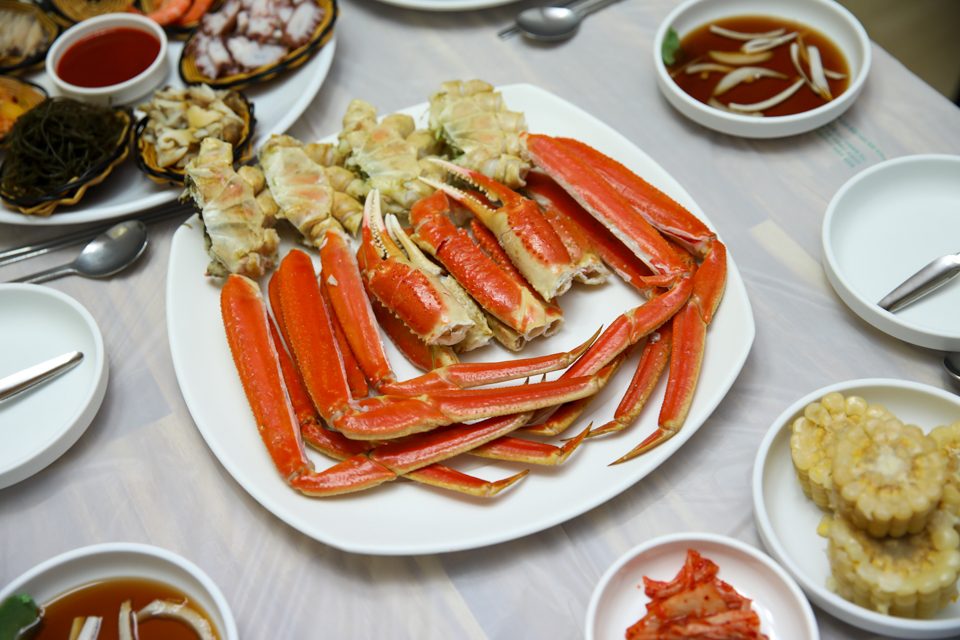
Inside Gijang Market, we handle snow crab, king crab, and red snow crab. Every morning at dawn I go out myself, judge that day’s condition, and only what I select goes into the tank. That is why what comes in differs from day to day.
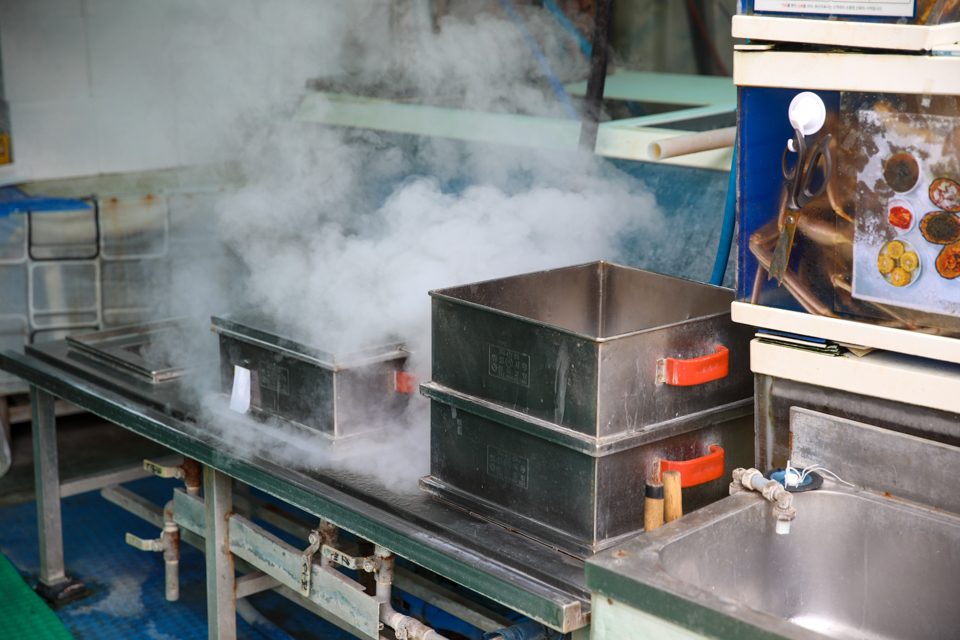
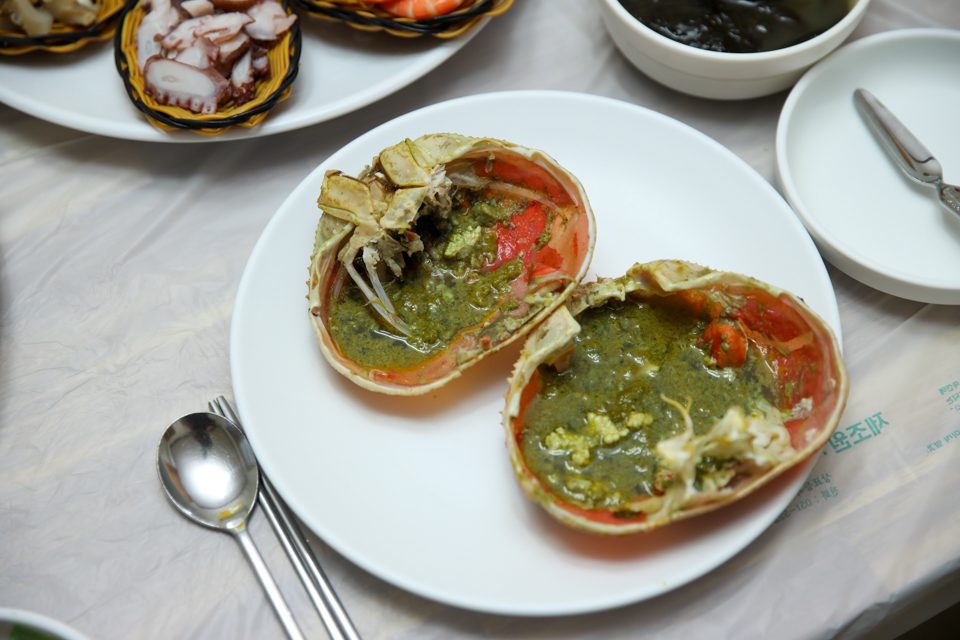
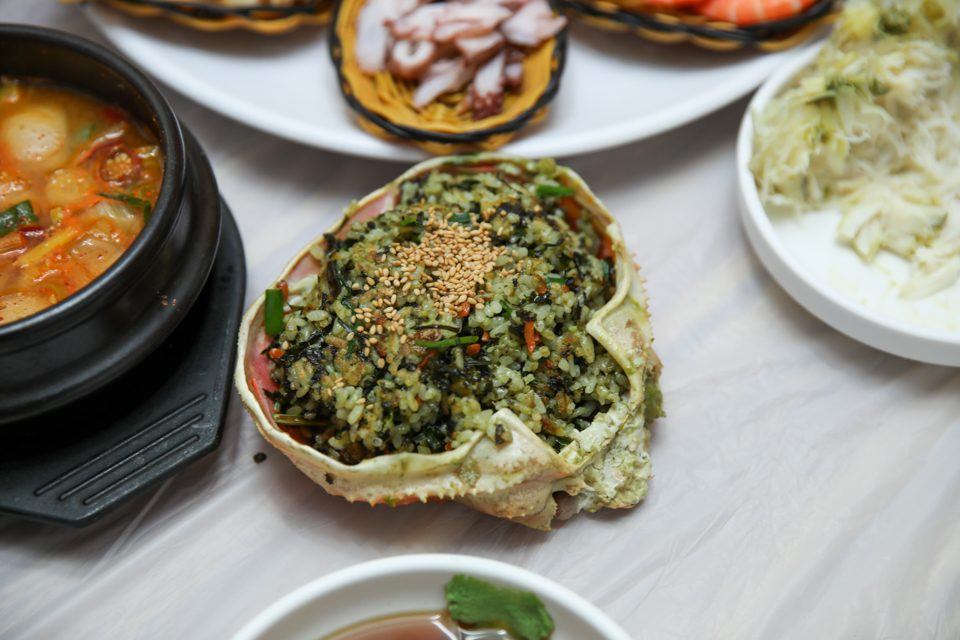
When we take your order, we lift the crab from the tank and start the preparation. The scale is read right in front of you. To finish the meal we serve red snow crab ramyeon, doenjang stew, and crab shell fried rice, and the table comes with abalone, scallops, sea snails, octopus, shrimp, and gosiraegi seaweed alongside.
The price is the market price. Because the stock changes daily, we do not fix a number in advance, and we tell you that day’s basis exactly as it stands. If you are curious, just ask by phone or KakaoTalk before you come.
For seating, we have both a main hall and private rooms. For group parties and family gatherings, it is best to let us know your headcount in advance. It is partly about the seats, but it also lets us set aside crabs matched to your group from that day’s stock.
Choosing Your Crab at the Market
If you have come all the way to the market, it helps to know how to choose as well. I will keep it brief.
Standing in front of the tank, look at the posture the crabs are holding. A crab standing up on its legs and raising its claws has more strength left than one lying flat on the bottom with its legs folded. And where there is strength left, the meat is packed inside.
Feel free to ask if you may pick one up. Shops selling live stock will usually say go ahead. Among crabs of the same size, there is always one that feels unusually heavy in the hand. That is the one filled with meat.
Ask about the weight basis as well. Whether it is per crab or a combined total changes the arithmetic. Settle this first and there will be no red faces later.
Finally, ask what is good today. A person who selects the stock every day knows what is stronger and what is lacking on that particular day. How a shop answers this question shows you the shop.
Good to Know Before You Come Over
A few small preparations make the trip from Ilgwang to the market go much more smoothly.
Buy anything you want to carry home at the very end. If you buy seafood at the market first, you will haul it through the rest of your day. This is exactly why I recommend seeing Ilgwang first and putting the market last.
Allow plenty of time. Because live crab is cleaned and prepared after you order, the food does not appear the moment you sit down. Add the time it takes to pick the meat apart, and you should set aside at least an hour.
Letting us know your headcount and arrival time in advance makes things easier for everyone. That goes double for weekend evenings. One phone call is all it takes.
Frequently Asked Questions
What kinds of eateries are there around Ilgwang in Gijang?
The beachfront centers on cafes, desserts, and light meals. Seats with a sea view attract fast-turnover businesses. Sit-down meal places where you eat at length are gathered on the Gijang-eup market side.
Can I eat seafood near Ilgwang Beach?
You can. But the style where you pick your crab from the tank and have it cleaned on the spot works better on the market side, where the stock actually circulates. If seafood is the goal, the two-station trip is worth it.
How do I get from Ilgwang to Gijang Market?
Take the Donghae Line metropolitan rail from Ilgwang Station to Gijang Station, two stops. From Gijang Station you can walk to the market. The trains do not run at tight intervals, so it helps to check the schedule before you move.
Between the Ilgwang beachfront and the market, which is better?
They serve different purposes. For coffee after a walk, the beachfront. For a proper full table, the market side. To do both, see Ilgwang first and put the market last.
Are places open if I go in the evening?
The beachfront trade leans on daytime business, so some places close early, especially in the off season. The market side mostly stays open late, but some shops start wrapping up past seven in the evening, so aim for around six.
Is there a good order for visiting with children?
Let them play on the sand first and eat afterward. Walking a hungry child along the beach is hard on everyone. Children also tend to stand at the live tanks staring for a good long while.
Where is parking easiest?
There is public parking near the market. Between eleven in the morning and one in the afternoon it fills up with people coming to shop, so avoid just that window and it is easy.
Which side is better for a large group?
The market side. Beachfront seating is tightly packed, and with six or more people, finding a table is not easy. The market side has always taken groups, so the space is roomy.
Summer or winter, which is the better time?
For the beach alone, summer, but it is crowded. Winter has strong winds that shorten your walk, but it is when the crab meat fills out at its fullest. If you want to avoid crowds altogether, spring and autumn are the most comfortable.
Can I eat at the market and also take some to go?
You can. But it becomes luggage, so it is better to buy at the end of your day. That is another reason I recommend seeing Ilgwang first and putting the market last.
To Sum It Up
Ilgwang is where you see the sea, and the place to receive a proper full table is the market side. Two stations is all it takes to connect them, so there is no need to force everything into one spot. Get the order right and your day becomes easy.
We are inside Gijang Market. The shop name is Gijang Cheonghaewang Daege, the address is 12, Eumnae-ro 104beon-gil, Gijang-eup, Gijang-gun, Busan, and the phone number is 0507-1490-5702. We are open every day from nine in the morning to nine at night, and we are always happy to tell you what stock is in on any given day.
If you plan to tour Gijang in a single day, I have laid out an order of sights in a one-day route through Gijang.
Jung Young-jin
Gijang Cheonghaewang Daege · Owner · 25-year live seafood vendor