Eating Well at Daebyeon Port, Gijang: Know the Season Before You Go
A harbor loud with anchovies in spring and quiet in winter. What you find changes with the season, and going without knowing can mean a wasted trip. Here i
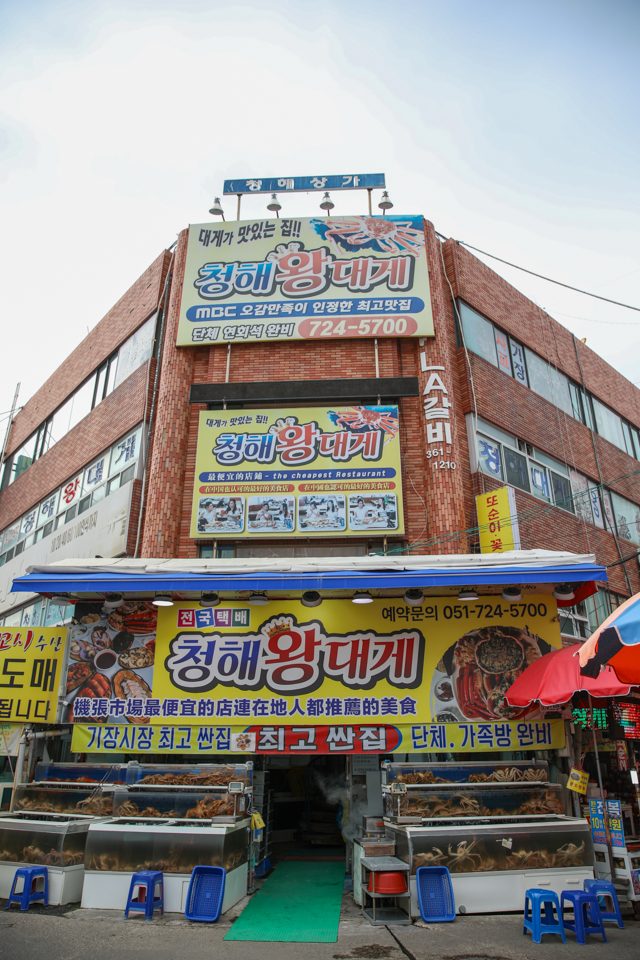
Daebyeon Port is a harbor famous for anchovies and miyeok seaweed. In spring the anchovies come in, and the food of that season lines up along the waterfront. If crab is what you are after, come to the market in Gijang-eup rather than the port itself. It is a drive of ten minutes or so.
To everyone searching for good places to eat around Daebyeon Port in Gijang, let me start with the harbor itself. This is a port with a very distinct character. When the anchovies arrive in spring, the whole neighborhood runs on them. The sound of anchovies being shaken from the nets carries across the wharf, and dishes that appear only in that season are laid out along the front.
That is why the question of what to eat at Daebyeon Port cannot be answered without talking about the season. What a spring visitor sees and what a winter visitor sees are two entirely different pictures. Go without knowing this, and you may well come away empty-handed.
I deal in crab at the market in Gijang-eup. I often meet customers who come over from Daebyeon Port, and most of them arrive after a stroll around the harbor, wondering where to have dinner. I know that flow well, so let me lay it out for you.
Contents
- The harbor called Daebyeon Port
- If you go in spring
- In the other seasons
- The port front versus the town market
- How to put the day in order
- What to expect by season
- Anchovy, the food of one season
- The story of Gijang miyeok
- What comes with the table setting
- The walk out to the breakwater
- Who you are coming with
- Things to know before you come
- Frequently asked questions
The harbor called Daebyeon Port
Daebyeon Port is small, but it is a working harbor. It was not dressed up for tourists; boats still go out and come back in today. Because of that, the atmosphere changes completely depending on the hour.
At dawn and in the morning, you hear the sounds of work. This is when the boats come in, the catch is unloaded, and everything gets sorted. If you want something to watch, this is the hour with the most to see. Just remember it is a workplace: stand aside so you do not block the way.
At midday it goes quiet. It is a good time to walk along the breakwater, and an easy time for photographs. Walk out toward the lighthouse and the sea opens up in front of you.
In the evening the crowds return. But most people at that hour are looking for a place to eat, so the mood is different from midday.
If you go in spring
Spring is Daebyeon Port’s season. During this stretch, the whole harbor runs on anchovies.
On the wharf you can watch the crews shake the anchovies out of the nets. Several people grab the net and shake it in unison, and the silver anchovies leap into the air. It is quite a sight, and one that is hard to find anywhere else.
And the food of that season gets laid out along the front. Anchovies dressed raw as a seasoned salad, or simmered into a stew, that sort of thing. If you have come all the way to Daebyeon Port in spring, you really should try it. It appears at that time of year only.
Miyeok seaweed belongs to this season too. Gijang miyeok has had a name for itself since long ago, and the area around Daebyeon Port is one of its producing grounds. You can see it drying along the roadsides.
In the other seasons
Visit Daebyeon Port outside of spring and the picture is different. Knowing this in advance is what saves you from disappointment.
In the seasons without anchovies, the harbor is quiet. The boats still go out, but there is none of that springtime bustle, and the stalls that lined the front thin out. That means fewer choices for a meal.
What you get instead is a calm harbor. The breakwater walk is actually better at this time. With fewer people around, you can walk slowly, and fewer strangers wander into your photographs.
Winter is especially like this. The wind is strong, so it is hard to stay out long, but in exchange this is the season when the crab is at its finest. The right flow is a short look at the harbor, then into somewhere warm.
The port front versus the town market
Eating at the front of Daebyeon Port and eating at the town market are different in character. Not that one is better than the other; they are simply different.
The port front is centered on what that harbor produces in that season. Spring anchovies are the prime example. The whole point is eating in season, on the spot, so if you time your visit right, you get an experience you cannot have anywhere else.
The town market is another matter. It is a place where goods from many different waters converge. That makes it far less swayed by the seasons and gives it a wider range of choices. Things that come from distant seas, like crab, can only be handled within this kind of structure.
To put it simply: if you are aiming for spring anchovies, go to the port front; if you want to sit down over crab and take your time, come into town. You can also tie the two together in a single day. They are not far apart.
How to put the day in order
If you plan to see both Daebyeon Port and the town, there is an order to it.
See the harbor first. Morning or early afternoon is good. If you want to watch the boats come in, make it morning; if you want a quiet walk, midday. An hour is plenty for the round trip to the end of the breakwater.
Then come over to town. It is a drive of ten minutes or so. Take a lap around the market, then sit down to dinner. The market is at its most relaxed in the later afternoon.
Buy your shopping last. If you are going to buy miyeok or dried seafood, it is easiest to buy just before you head home. Carry it around all day and the day gets heavy.
You can flip the order too. Just remember there is less to see at the harbor after dark, so it is better to give the harbor the daylight hours.
What to expect by season
What you encounter changes with the time of year, so I have put it into a table.
| Season | Harbor atmosphere | Seasonal food | Situation in town |
|---|---|---|---|
| Spring | Busiest, at the height of anchovy season | Anchovies, Gijang miyeok | Crowds gather and waits occur |
| Summer | Overlaps with the beach crowds | Choices are limited | Coastal closed season changes the lineup |
| Autumn | Quiet and good for walking | Seasonal fish | Relatively relaxed |
| Winter | Windy and quiet | Mostly indoor meals | The season when crab is at its finest |
As the table shows, spring and winter are complete opposites. Choose your timing by what you are coming for.
What comes with the table setting
Let me talk a little about our own place. The meal is not just crab and done, so knowing this in advance helps you plan.
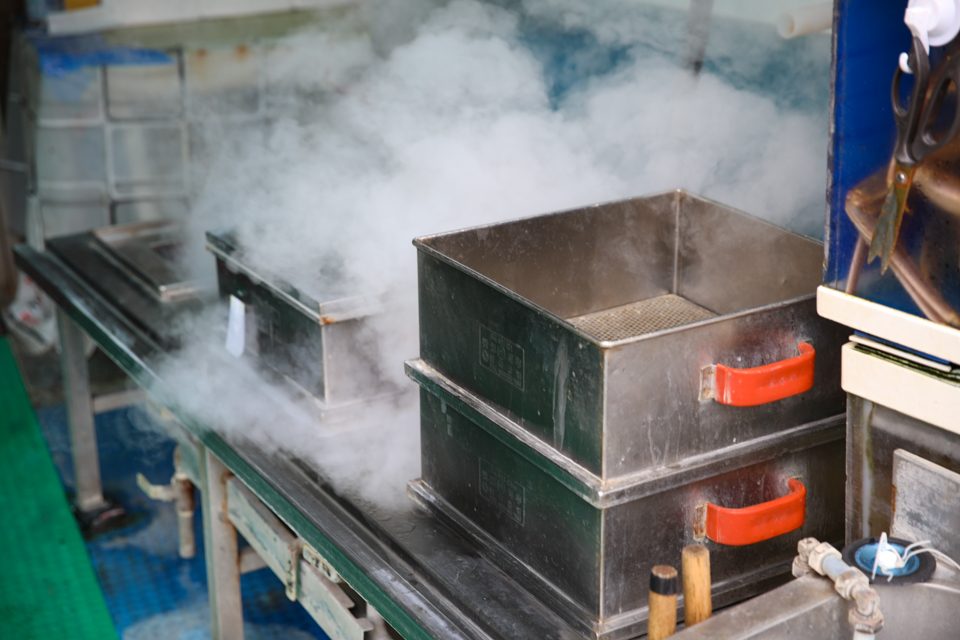
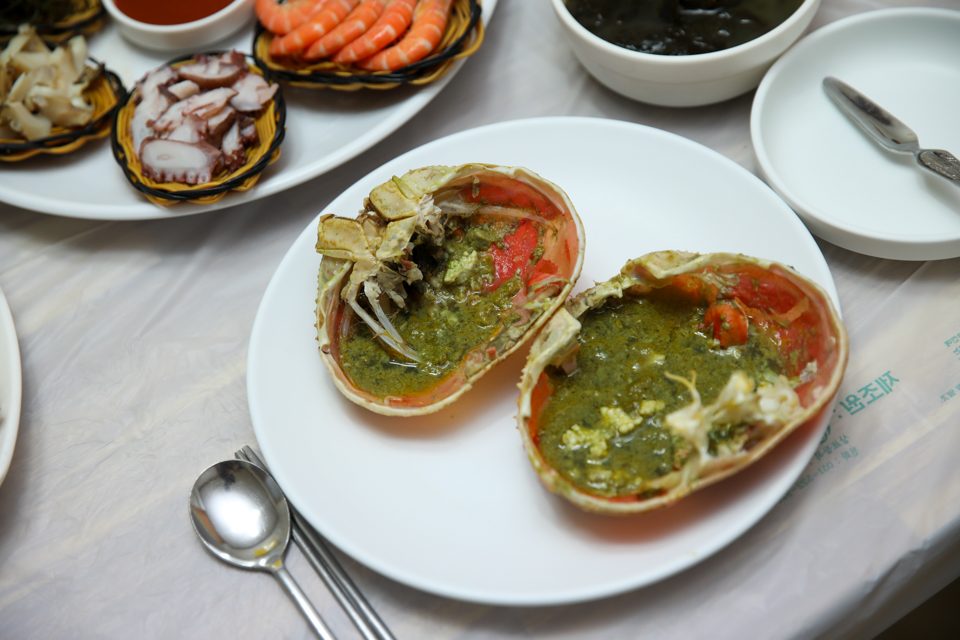
The table setting comes with abalone, scallops, sea snails, octopus, shrimp, and kkosiraegi seaweed. You eat these while the crab steams. There is cleaning and cooking time involved, so the crab does not arrive the moment you sit down.
The abalone is served as it is, and the scallops and sea snails are served cooked. The octopus goes out sliced, lightly boiled, and the kkosiraegi is dressed as a salad. Shrimp comes along too. We try to keep it all on the mild side. The crab comes afterward, and if the earlier dishes hit too hard, you will not taste the crab’s sweetness.
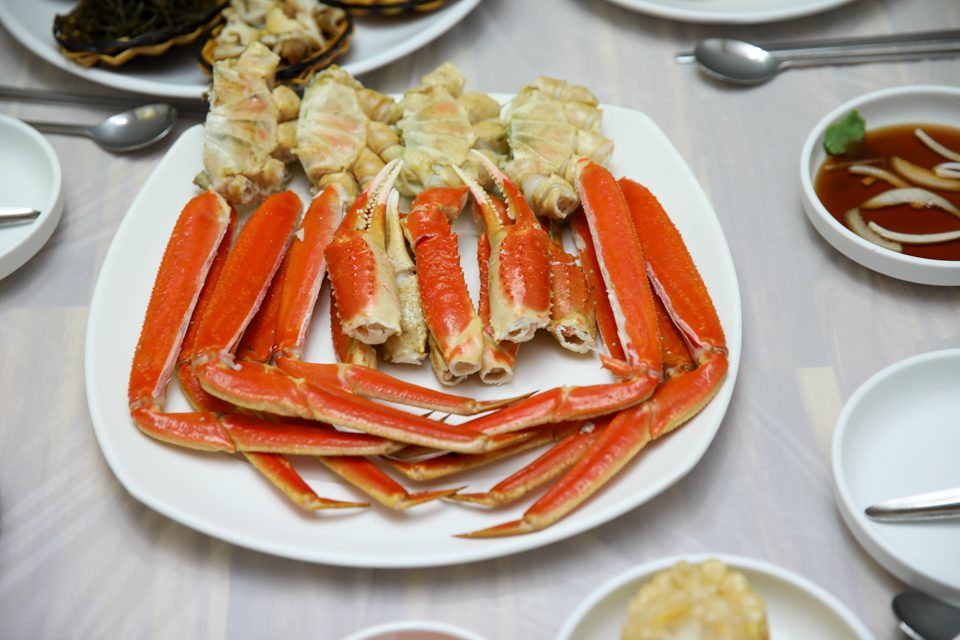
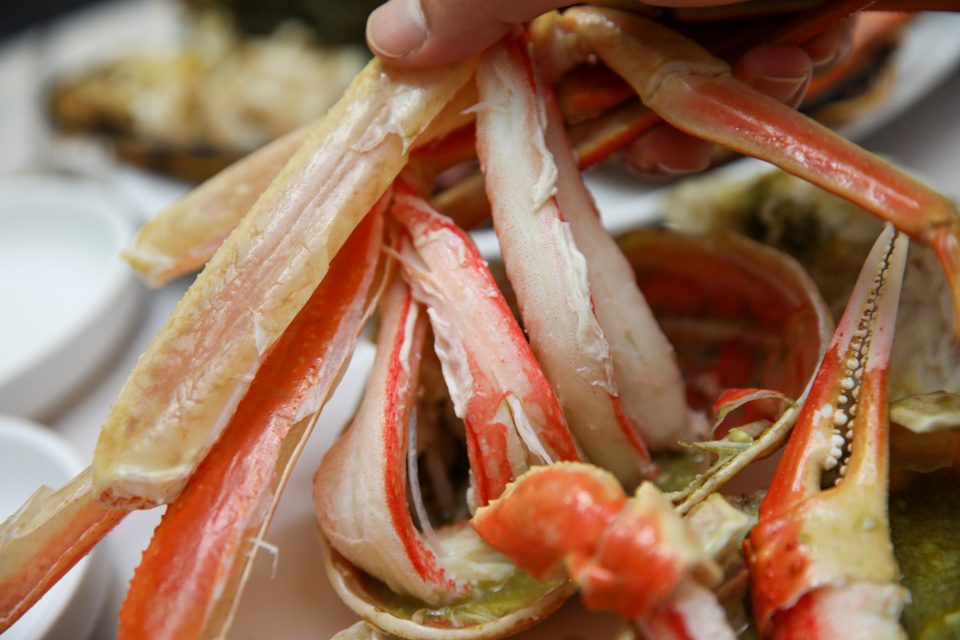
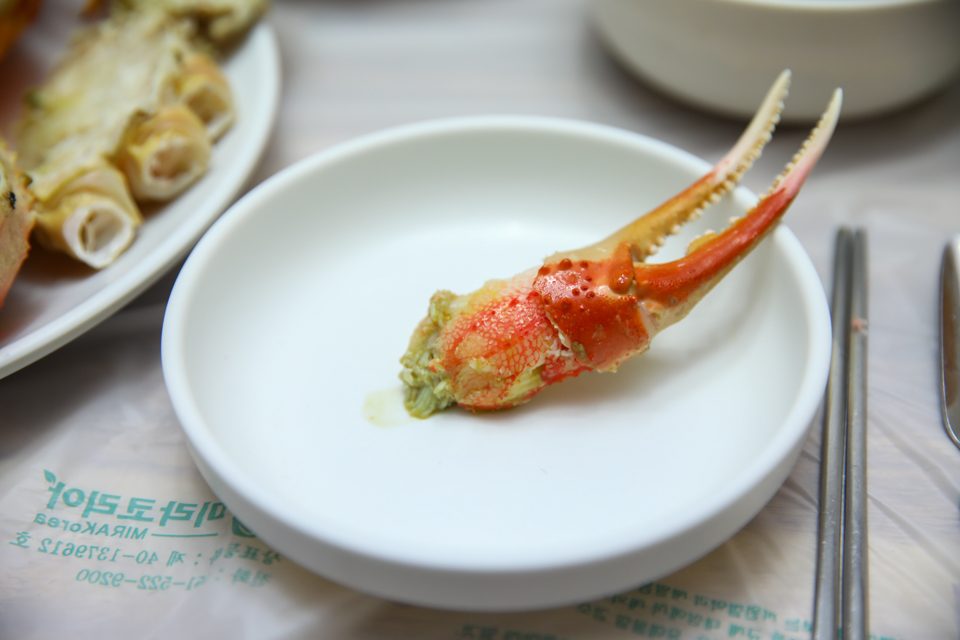
Then the crab arrives. It is best to start with the legs. Once they cool, the texture stiffens. We split the body for you, so you can scoop it out with a spoon.
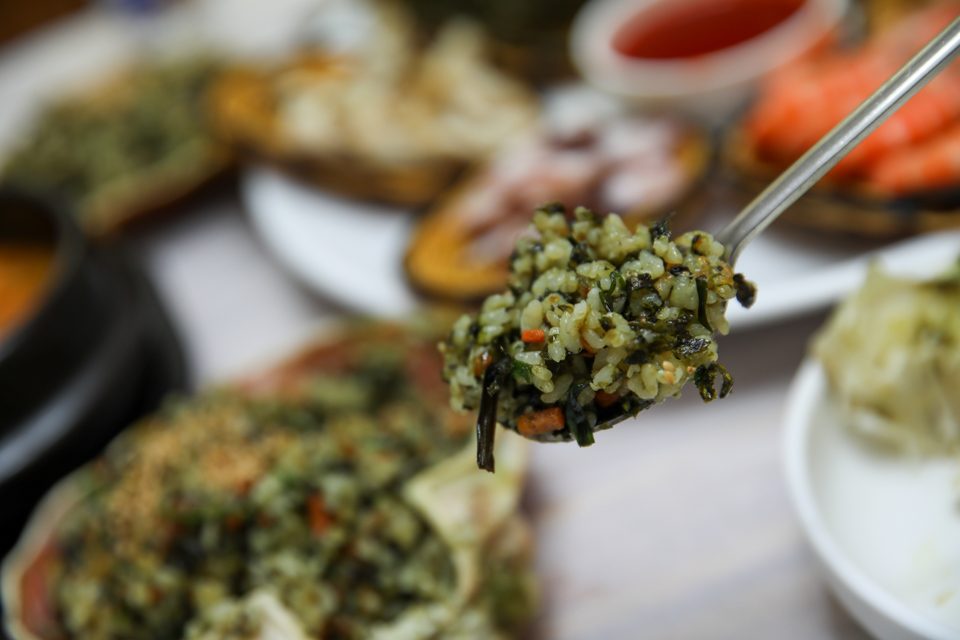
The finish is fried rice in the crab shell and soybean paste stew. Many guests add red snow crab ramyeon as well. The broth drawn from the leftover shells goes very well with rice.
Things to know before you come
Take care of just a few things and the day goes much more smoothly.
On spring anchovy-season weekends, the whole Daebyeon Port area gets very crowded. Parking alone is a struggle. If you are going then, set out early in the morning or pick a weekday.
Parking at the town market is busiest from eleven in the morning to one in the afternoon. That is when you overlap with everyone doing their market shopping. Avoid just that window and it is easy.
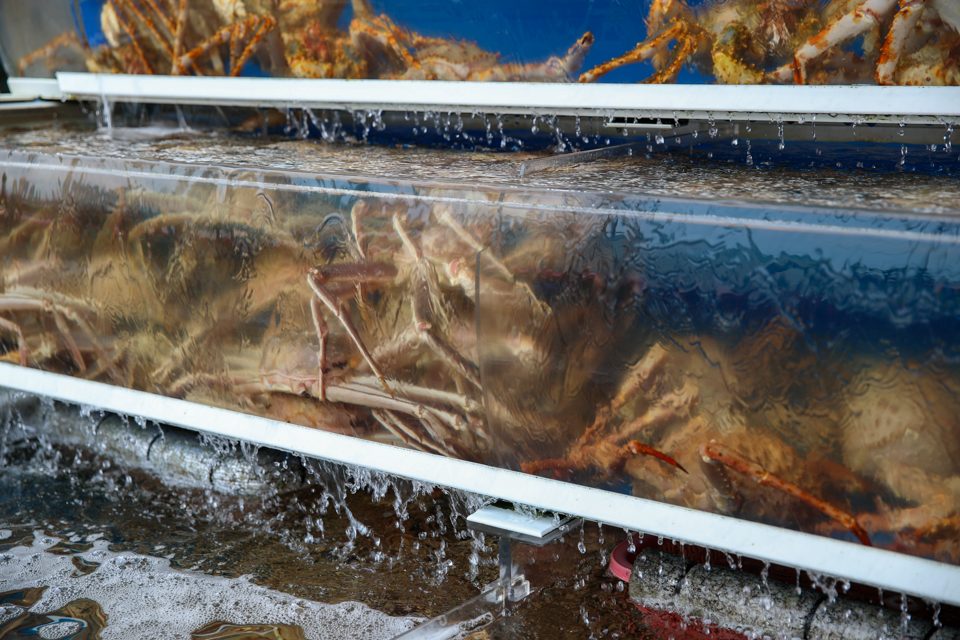
If crab is on your plan, allow plenty of time. With a system where we clean and cook after you order, plus the time it takes to pick the meat, you should set aside a good hour.
If you are coming as a large party, it helps to contact us in advance. Partly for the seating, but also because we can set aside crabs from that day’s goods to match your headcount.
Anchovy, the food of one season
If you are visiting the eateries of Daebyeon Port in spring, there is no leaving out the anchovy. It is not what I sell, but as someone from the same neighborhood, I will write what I know.
Spring anchovies are a good size. They are a different thing altogether from the small dried anchovies used for broth. So they are served dressed raw as a seasoned salad, simmered into a stew, or grilled.
When eaten raw, you eat them bones and all. They are dressed with chili-vinegar sauce or soybean paste and served with vegetables. Many people worry about fishiness, but fish brought up fresh in its season is not fishy. Fishiness means time has passed.
Simmered into a stew, the broth turns rich and deep. When grilled, so much of their own oil comes out that you do not need to add any. Either way, this is food that only works in that season, in that place.
The story of Gijang miyeok
Miyeok is another product that stands for this neighborhood. Customers often ask about it as they buy some to take home, so I will write down what I know.
The sea off Gijang runs cold with strong currents. Miyeok grown in that environment has a firm, dense texture. It does not fall apart easily in the pot, and it keeps a bite you can chew. That character suits our habit of simmering soup long and slow.
The drying season is spring. That is when you can see it spread out to dry along roadsides and in yards. If you plan to buy, the goods from this season are the better ones.
One warning: it is bulky to carry. I recommend buying it at the very end of your trip. Buy it early and you will be hauling it around all day.
The walk out to the breakwater
It would be a shame to see only the eateries of Daebyeon Port and head home, because the harbor itself is worth your time. Let me write briefly about the walk.
Park the car and walk along the wharf, and you will find the boats moored in rows. Working boats and resting boats are mixed together, so you can see nets and traps piled on the decks up close. It is not a scene tidied up like a tourist spot; it is the scenery of a place where people work.
Keep going and you reach the breakwater. Walk to the end and there is a lighthouse, and from there the sea opens wide. Thirty to forty minutes is plenty for the round trip. The wind is strong, so in winter dress warmly.
There are always people fishing there. The top of the breakwater is narrow, so take care when passing behind the fishing rods. If everyone gives way a little, there is no trouble at all.
If you want photographs, dusk is the time. The silhouettes of the boats and the lighthouse come out beautifully. But once it gets dark the footing is hard to see, so it is safer to head back before then.
Frequently asked questions
What is Daebyeon Port famous for?
Anchovies and miyeok seaweed. When the anchovies come in each spring, you can watch the crews on the wharf shaking them out of the nets. The area is also one of the producing grounds of Gijang miyeok.
Do the eateries at Daebyeon Port also sell snow crab?
The port is centered on what is landed on the spot, so it is not set up to handle crab. Crab comes from distant seas, so it is handled at the town market where goods from many places converge. That is a drive of ten minutes or so.
When is the best time to visit?
It depends on your purpose. Spring for the anchovies and the harbor’s bustle, autumn for a quiet walk, winter if you are coming to eat crab. Summer overlaps with the beach crowds and gets busy.
How long does it take from Daebyeon Port to Gijang Market?
A drive of ten minutes or so. Seeing the harbor while it is light and then coming into town for dinner is the natural order.
How is the parking?
On spring anchovy-season weekends, the harbor area gets very crowded. Going early in the morning or picking a weekday is the wiser move. At the town market, simply avoid eleven in the morning to one in the afternoon and it is easy.
What comes with the table setting?
Abalone, scallops, sea snails, octopus, shrimp, and kkosiraegi seaweed come together. You eat them while the crab steams. Since the crab follows, the earlier dishes are kept on the mild side.
How long is the wait after ordering?
It takes time because we take the crab from the tank, clean it, and steam it after you order. You can wait comfortably while eating the table setting first. Counting the time to pick the meat, set aside a good hour.
How much does it cost?
It is the market price. The goods that come in change every day, so we do not fix a number. Ask by phone or KakaoTalk before you come and we will tell you the day’s going rate.
Can we come as a group?
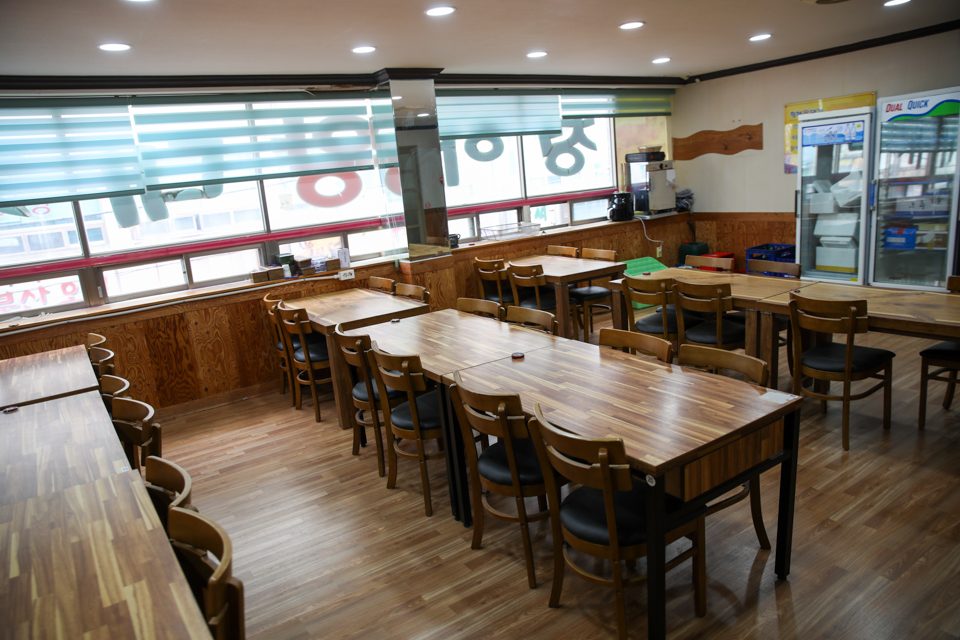
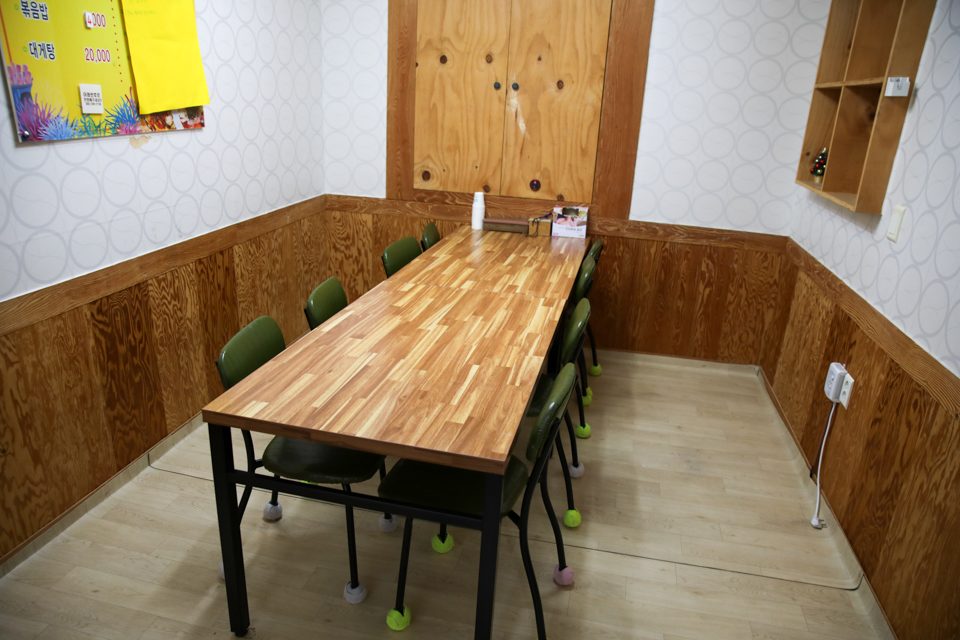
We have a main hall and private rooms. If you are coming as a large party, it is best to contact us in advance. Partly to secure the seating, but also because we can set aside crabs from that day’s goods to match your headcount.
How do you eat spring anchovies?
Dressed raw as a seasoned salad, simmered into a stew, or grilled. Raw, they are eaten bones and all, dressed with chili-vinegar sauce or soybean paste. Fish brought up fresh in its season is not fishy. Fishiness means time has passed.
What makes Gijang miyeok different?
It grows in cold water with strong currents, so its texture is firm and dense. It does not fall apart easily in the pot and keeps a chewable bite. The drying season is spring, so the goods from that time are the better ones.
How long is the walk to the breakwater?
Thirty to forty minutes is plenty for the round trip. At the far end there is a lighthouse, and the sea opens wide from there. The wind is strong, so in winter it is wise to dress warmly.
Is there anything to see near the eateries of Daebyeon Port?
The harbor itself is the sight. You can watch the boats heading out to fish and see the nets piled on the decks up close. It is not a place dressed up like a tourist spot; it is a harbor still at work today.
Is the harbor worth seeing in winter too?
The wind is strong, so it is hard to stay out long. In exchange, there are few people and it is calm, and this is the season when the crab is at its finest. The right flow is a short look at the harbor, then indoors.
Who you are coming with
The same day gets arranged differently depending on your company. Let me note just a few cases.
If you are bringing your parents, keep the harbor walk short. The breakwater’s footing is uneven and the wind is strong. Better to see just the front of the wharf and then move indoors. The restaurants on the market side have always served older guests, so the seating is comfortable for them.
If you are coming with children, the harbor is unexpectedly fun for them. They love seeing the boats and the nets up close. Just note that some stretches along the edge of the wharf have no railing, so keep their hands held.
If it is just the two of you, aim for dusk. The hour when the boats and the lighthouse turn to silhouettes is the finest. Then come into town for dinner and the day wraps up neatly.
If you are a large group, feel free to run the order in reverse. With many people, securing the dinner table first puts everyone’s mind at ease.
To sum it up
Daebyeon Port is a harbor with distinct seasons. In spring it is loud with anchovies; in winter it is quiet. The place to sit down over crab and take your time is the town market side. And you can tie the two together in a single day.
We are inside Gijang Market. The shop is Gijang Cheonghaewang Daege, the address is 12, Eumnae-ro 104beon-gil, Gijang-eup, Gijang-gun, Busan, and the phone number is 0507-1490-5702. We are open every day from nine in the morning until nine at night.
If you plan to tour the whole of Gijang in a day, this article laying out routes by attraction should be a help.
Jung Young-jin
Gijang Cheonghaewang Daege · Owner · 25-year live seafood vendor