Gijang, Busan in One Day: A Local Fishmonger's Itinerary for Yonggungsa, Osiria, Ilgwang and Gijang Market
A one-day Gijang travel route written by a fishmonger who has worked inside Gijang Market for 25 years. It covers a no-backtracking course along the Dongha
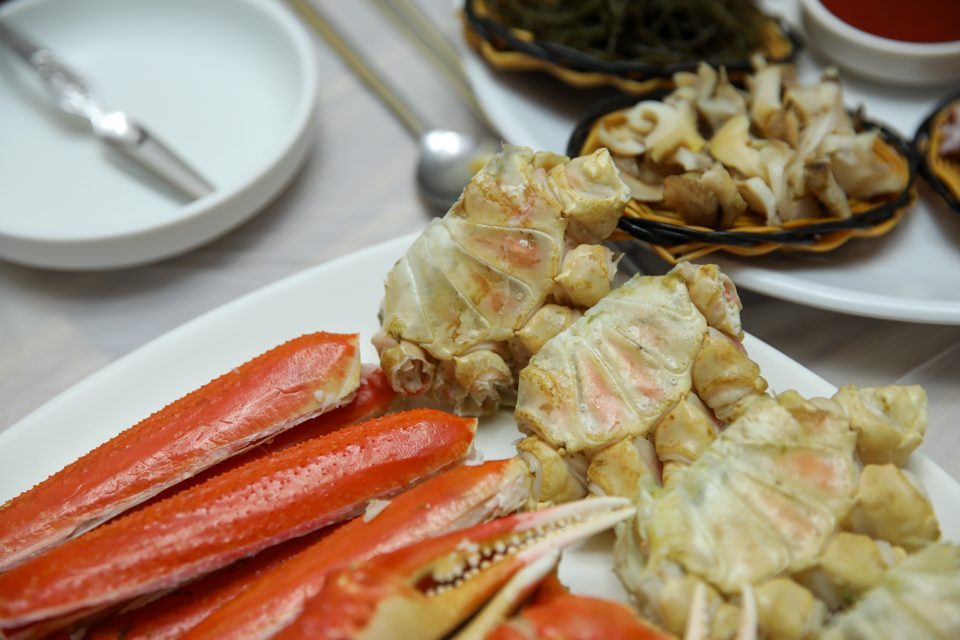
One day is enough to see Gijang properly. The coastal sights line up along a single axis served by the Donghae Line, so the least tiring order is to cover the shoreline in the morning and finish with a late lunch at the market. You do not need a car.
I have been handling live seafood in Gijang for 25 years. Since my shop sits inside Gijang Market, the question customers ask most often once they sit down is not about the food at all. It is this: “Now that we are here, what should we go see?” In the early years I would just wave them toward Yonggungsa Temple. But after doing this for a while, I realized something. That question actually comes in two kinds. There are people who arrived early and have the whole day to spend, and people who came for dinner and want to know what to do with the two or three hours they have left over.
This article sorts out those two cases separately. It is not a list copied out of a tourist brochure. It is the order I have worked out by standing in this neighborhood every day and watching how my customers’ trips actually went. The emphasis is less on which places are nice and more on which order to string them together so you wander less.
What this article covers
- The basic route when you have a full day
- What to pick when you only have half a day
- What changes with the seasons
- How to get around without a car
- Why Gijang Market should come last
- Mistakes that locals find painful to watch
- Time needed at each spot, side by side
- Frequently asked questions
The basic route when you have a full day
Gijang is a long, narrow area that runs north to south. That is the key fact. Ilgwang and Jukseong sit in the upper part, Osiria and Yonggungsa in the lower part, and if you bounce back and forth between them, your whole day disappears into travel time. I regularly see people who did exactly that come in for dinner completely worn out.
So my advice is to sweep through in one direction only. If you are coming up from central Busan, go bottom to top. If you are coming down from Ulsan or Gyeongju, go top to bottom. Just by never backtracking, you save yourself a good two hours.
Let me use the bottom-up version as the example. Start around nine in the morning in the Osiria area. The seaside walking paths are well kept, and that is when the morning air is at its freshest. Give it an hour and a half. Then move on to Haedong Yonggungsa. The temple clings to a rocky cliff, so the photos come out well, but there are quite a lot of stairs. If you are traveling with someone who has bad knees, it is worth knowing that before you go.
Many people eat lunch around there, but I recommend the opposite. At that hour, the area around any tourist spot is crowded. Instead, head a bit further up and see the Jukseong side first, then have a late lunch at the market. It is far more relaxed that way. Jukseong is where a church built as a drama filming set stands with the sea at its back, and for a sightseeing spot it stays fairly quiet. An hour there is enough.
After that, Ilgwang Beach. The sand is wide and a row of cafes lines the back of it, so it is a good place to sit and rest. If you have set aside the whole day, use this as your one proper break. The last stop is Gijang Market. I will explain why separately below.
What to pick when you only have half a day
If you only have two or three hours, you have to let go of the urge to see everything. So many people try to fit it all in and end up seeing nothing properly.
In that case, pick one of two combinations. First, pair Yonggungsa with Osiria. They are close together and very different in character, so in a short time you get two contrasting scenes. Second, pair Ilgwang with the market. That version is a walk by the sea, then eating at the market to wrap up.
If you are bringing elderly parents, I recommend the second. The stairs at Yonggungsa are more of a strain than people expect. If you are younger and the main goal is photos, the first combination works better.
What changes with the seasons
It is the same Gijang, but how it feels changes quite a bit with the season. This is the part the tourist guides rarely mention.
In spring the wind is strong. Along the coast in March and April especially, count on it feeling several degrees colder than downtown. Every year I get customers who came dressed lightly and walk in shivering. Bring one outer layer and you will be fine.
Summer brings the crowds. Around Ilgwang Beach, on July and August weekends, even parking is a struggle. In that period, the answer is to move early in the morning or aim for a weekday.
Personally, I find autumn the most comfortable. The wind settles down and the crowds thin out. The color of the sea deepens compared to summer, so photos come out well too. Winter is cold, but the air is clear and you can see a long way. The trade-off is short daylight, so factor in that it gets dark once four in the afternoon passes.
Seafood follows its own calendar. Snow crab fills out well from winter into spring. That said, as the National Institute of Fisheries Science explains, each species has its own closed fishing season, so what we carry changes with the time of year. The sure way is to ask in advance what is good around your visit date.
How to get around without a car
Gijang is a place you can get around without a car. A lot of people do not know this and start by looking up rental cars.
The Donghae Line commuter rail runs from central Busan all the way to Gijang. Board at Bujeon Station or around Centum City and you can ride in without transferring. Get off at Gijang Station and the market is within walking distance. Osiria Station and Ilgwang Station each sit right next to the sights they are named after.
That said, the stretches between stations are too far to walk. For places away from a station, like Yonggungsa, you need to add a short bus or taxi ride. With that in mind, the most comfortable approach is to use the rail line as your backbone and cover only the last leg by bus.
I should also talk about parking. Coming by car is convenient, but on weekend afternoons the tourist-site lots build up waiting lines. The Yonggungsa side is especially bad for this. Near the market there is public parking, but there are hours when it overlaps with local shoppers. Avoid the window from eleven in the morning to one in the afternoon and things go much more smoothly.
Why Gijang Market should come last
There are three reasons I tell people to put the market at the very end of the route.
First, your bags. If you buy something at the market, you have to carry it through the rest of your itinerary. Seafood especially so. Stop by last, and you can buy and head straight home.
Second, timing. The market’s goods are at their peak in the morning, but by the time you have seen the sights it is afternoon anyway. And the late afternoon has its own advantage: the crowds have thinned, so you can browse slowly. Come in the morning and the merchants are busy handling wholesale buyers, which makes it hard to ask questions.
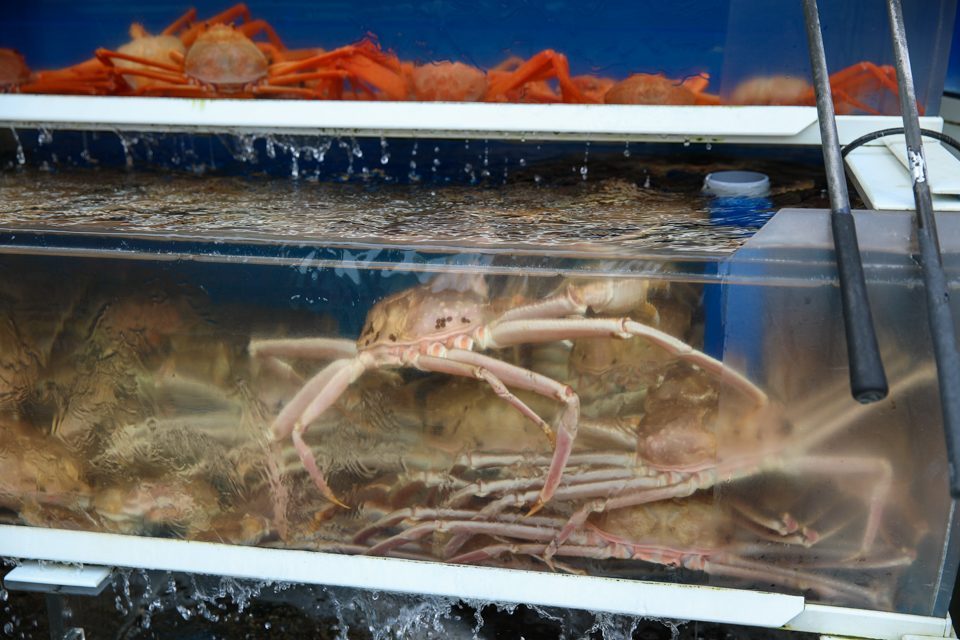
Third, the meal itself. Eating near a tourist spot and eating inside the market are different in kind. At the market you pick straight from the tank and it is cleaned and served on the spot, so you can see with your own eyes exactly what you are eating.
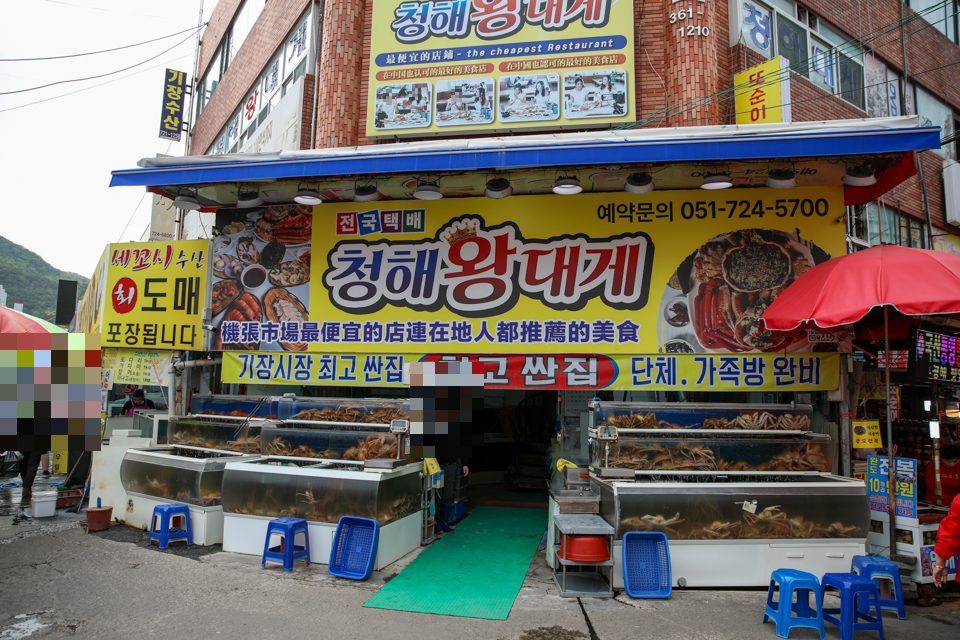
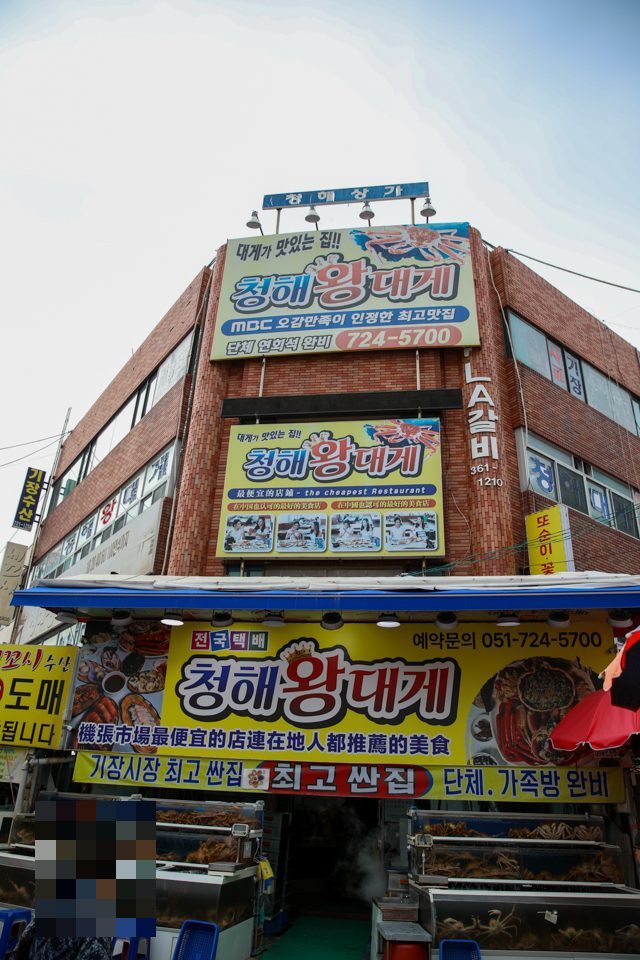
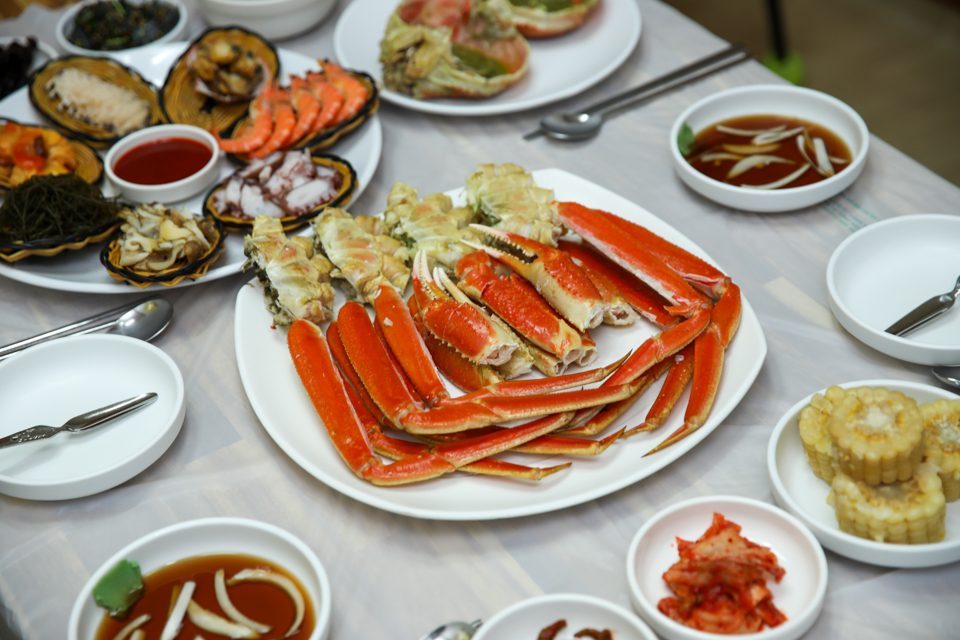
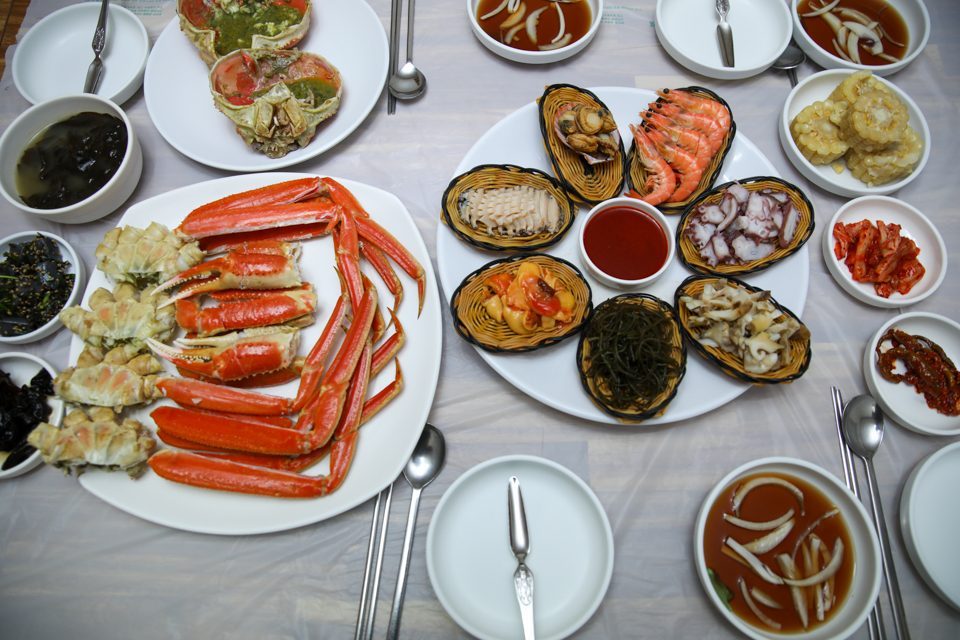
If I may say a word about my own shop, we handle live snow crab and live king crab inside Gijang Market. I go out at dawn myself, check the condition that day, and only what passes goes into the tanks. So what comes in differs from day to day. Prices are market price (changes daily). Since the stock changes every day, I cannot pin a number down in advance, so if you call or message us on KakaoTalk before coming, I will quote you based on that day’s stock.
Mistakes that locals find painful to watch
Serving customers every day, you see the same regrets repeat. Let me note just a few.
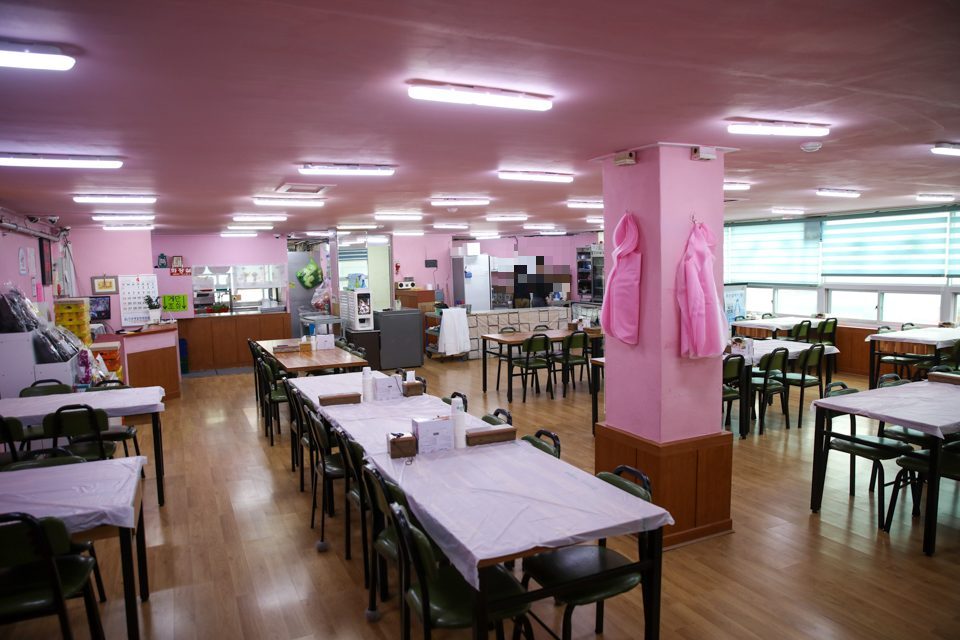
One. Setting dinner too late. If you finish sightseeing and reach the market after seven in the evening, quite a few places have already closed. The market keeps different hours from downtown restaurants. If you plan to have dinner at the market, aiming for around six is the safe move.
Two. Not telling us your group size. With four or more people, it is not just about seating. The preparation of the goods is different. Give us one call in advance and we set aside what is in good condition that day. Show up and announce your numbers on the spot, and you will be choosing from what is left.
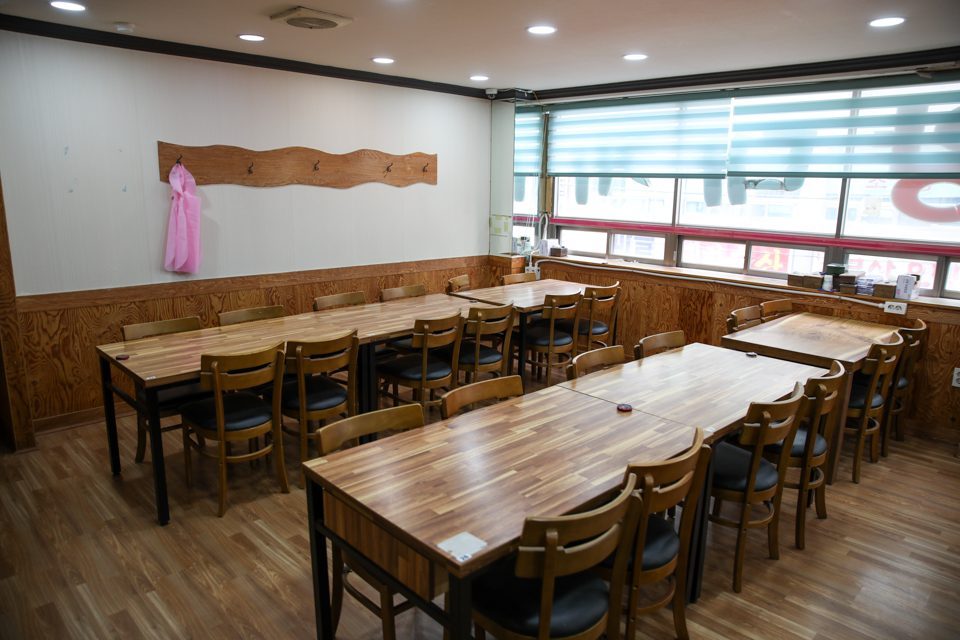
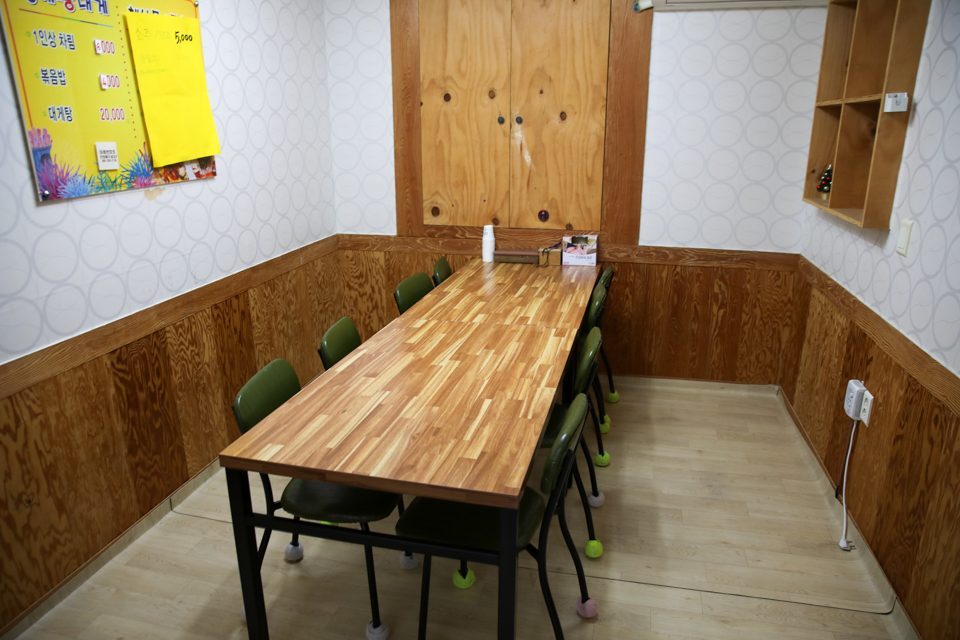
Three. Not mentioning that children are coming. We have a private room, and if you tell us ahead we seat you there. Sitting in the main hall with a child during the busy hours is uncomfortable for everyone.
Four. Not thinking about takeout. Leftovers can be packed up to go, but if you still have plans afterward, carrying them around is awkward. This is another place where the advice to put the market last comes back around.
Time needed at each spot, side by side
I have gathered the times my customers actually reported after their visits. It varies with your walking pace and how many photos you take, so treat these as rough guides only.
| Place | Time to spend | What it is like | Suits people who |
|---|---|---|---|
| Haedong Yonggungsa | 1 hour to 1 hour 30 minutes | Temple set on a rocky cliff, many stairs | Want photos to take home |
| Osiria coast | Around 1 hour 30 minutes | Well-kept walking paths, fresh morning air | Want a slow, easy walk |
| Jukseong coast | About 1 hour | Few crowds, sea as the backdrop | Dislike busy places |
| Ilgwang Beach | 1 to 2 hours | Wide sand, cafes clustered nearby | Need a resting point |
| Gijang Market | 1 hour or more | Seafood focused, meals available | Want to eat, shop, and finish here |
Add it all up and covering everything takes about six to seven hours. Include travel time and the day is completely full. That is why I said earlier to sweep in one direction only.
Adjusting for who you are traveling with
Even the same course needs tweaking depending on your company.
Customers bringing their parents are the most common at my shop. In that case, cutting out stairs and slopes comes first. If you insist on including Yonggungsa, early morning when it is quiet is better. And build in one place to sit and rest partway through. The cafes around Ilgwang serve that role well.
With children, the side with the sandy beach is clearly better. Kids get bored of temples and churches within ten minutes. The tanks, on the other hand, are a hit. Children seeing a live snow crab move for the first time will stare into the water for a long while.
If you are coming with friends, build the day around photos. Yonggungsa, Jukseong, and Ilgwang, in that order, give you three backdrops with completely different characters.
Things worth checking before you come
The culture and tourism guide run by Gijang County posts festival schedules and facility operating information. Weekends with a seasonal festival get sharply more crowded, so if you prefer a quiet trip, it pays to check those dates and avoid them.
As for weather, the coast differs from the downtown forecast. Checking the wind forecast separately helps. On days when the wind blows hard, the coastal walking paths are tougher than you would think.
How to judge seafood at the market
Even if you came as a tourist, once you step into the market you end up buying something. But first-time visitors do not know what to look at. In 25 years of telling customers what to check, here I am writing down only the tips people later told me actually helped.
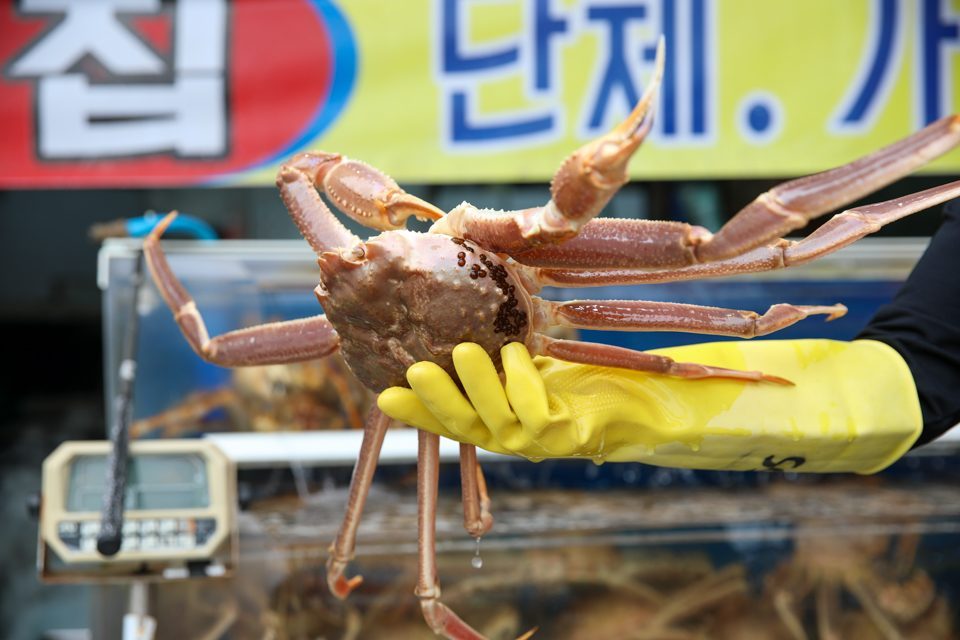
With live seafood, start with movement. The one sprawled limp on the tank floor and the one standing firm on its legs can be told apart on the spot. Snow crab especially. If you lift it and the legs tense up and it tries to open its claws, it is in decent condition. If it droops and the legs hang down, that is an animal that has been holding on in the tank too long.
Feel the weight with your hand too. Among crabs of the same size, some are noticeably light. That is a big shell with less inside. You cannot tell this by eye, only by lifting. Ask the merchant whether you can pick it up, and most will say go ahead.
Take a look at the belly as well. If it feels firm and does not press in, the meat has filled out. If it gives softly, the animal has not filled out yet. Check just these two things and you will not go far wrong.
And this is something I say from the seller’s side: do not feel awkward about asking questions. Where it came from, when it arrived, what is in good condition today. A merchant who gets annoyed by a customer asking those things does not last long in this business. It is actually the customer who asks nothing but the price who loses out.
A day mapped out hour by hour
I described the route above. Here it is again with a clock attached, assuming you start from central Busan and work your way from the bottom up.
| Time | Plan | How to get there | Notes |
|---|---|---|---|
| 08:30 | Depart central Busan | Donghae Line commuter rail | Seats are available at this hour |
| 09:30 | Walk the Osiria coast | Walk from Osiria Station | When the air is at its freshest |
| 11:00 | Haedong Yonggungsa | Bus or taxi | Watch out for the stair sections |
| 12:30 | Move toward Jukseong | Bus | Few crowds, unhurried |
| 14:00 | Rest at Ilgwang Beach | Walk from Ilgwang Station | Take a break at a cafe |
| 16:00 | Arrive at Gijang Market | Walk from Gijang Station | Shopping and a late meal |
| 18:00 | Head home after dinner | Donghae Line | This is the point to pack takeout |
Move by this table and you see everything without the day feeling cramped. Drop one stop in the middle and it gets far more relaxed. If it were me, I would keep only one of Yonggungsa and Jukseong. Both are seaside spots, so their characters overlap somewhat.
Going the opposite direction, that is, coming down from Ulsan or Gyeongju, just read this table backwards. But if you want to keep the market last, the order needs a small adjustment. You would see Ilgwang first, head down, then come back up to Gijang Station, and in that case another option is to put the market in the middle and leave your purchases in the car.
What there is to eat in Gijang
Many people think of snow crab first when they hear Gijang, but in practice what comes in varies quite a lot with the season.
From winter into spring, snow crab and king crab are the center. Crab in this period fills out well, so pull off a single leg and it is packed inside. King crab is imported stock, so it is less seasonal, but depending on the customs schedule there are days it arrives and days it does not.
From spring into summer, shellfish and other seafood come into their own. Scallops, abalone, and sea snails are in season around then. At my shop too, in this period we serve these alongside the crab.
People say autumn is an in-between season, but I do not see it that way. Octopus and shrimp are decent then, and above all there are fewer people, so you can take your time choosing.
Let me also mention what goes out alongside the crab. Most people love rice mixed in the crab’s top shell. Crab ramyeon gets a good response too. You pick the leg meat clean, then drop noodles into the remaining broth, and people say there is no finer way to finish. First-time visitors sometimes leave without knowing these exist, so I am telling you in advance.
Frequently asked questions
Can I see all the Gijang sights in one day?
You can. But you must sweep in one direction only. Bounce up and down the coast and you will spend more than two hours just moving around. See all five spots and, travel included, the day is completely full.
Can I get around by public transport without a car?
You can. The Donghae Line commuter rail runs from central Busan to Gijang, and Osiria Station and Ilgwang Station each sit right next to the sights they are named after. Only for the spots away from a station do you need to add a short bus or taxi ride.
Which places are good to visit with my parents?
I recommend the combination of Ilgwang Beach and Gijang Market. There are almost no stairs or slopes, and plenty of places to sit and rest along the way. Yonggungsa has quite a lot of stairs, which is hard on anyone with troubled knees.
Where is good to go with children?
The Ilgwang side with its sandy beach is better. Kids get bored of temples and churches quickly. The market tanks get a good reaction too. Children will stare for a long while at a live snow crab moving around.
What time is good to visit Gijang Market?
I recommend coming in the late afternoon after your sightseeing. In the morning, merchants are busy with wholesale buyers, so it is hard to browse at ease. But some shops start closing after seven in the evening, so aiming for around six is the safe target.
Where is parking easiest?
There is public parking near the market. But between eleven in the morning and one in the afternoon it overlaps with local shoppers, and waiting lines form. Avoid that window and it goes much more smoothly.
Is it still worth going on a rainy day?
If your course is built around coastal walks, it is a shame. Instead, switch to the market and indoor spots. Rainy days have their own advantage: fewer people, so you can browse slowly.
Can I eat snow crab any time of year?
It depends on the timing. Each species has a closed fishing season, and during that period we do not carry it. The times when the meat fills out well are also specific, so the sure approach is to ask before your visit what has come in that day.
Should a group contact you in advance?
If you are four or more, contacting us ahead is better. Seating is one thing, but we can also set aside stock in good condition that day to match your numbers. Come unannounced and you will be choosing from what is left.
How much does it cost?
It is market price (changes daily). It depends on what comes in that day, so we do not fix a number in advance. Call or message us on KakaoTalk and we will quote you based on that day’s stock.
To sum up
As long as you do not get greedy, one day is enough for Gijang. Sweep in one direction, put the market last, and dress for the season, and not much can go wrong.
The shop is inside Gijang Market. The name is Gijang Cheonghaewang Daege (기장 청해왕대게), and the address is 12, Eupnae-ro 104beon-gil, Gijang-eup, Gijang-gun, Busan. The main number is 0507-1490-5702, and we are open every day from nine in the morning to nine at night. If you are wondering about directions or what is in the tanks that day, feel free to get in touch. I have been standing in this same spot for 25 years.
If you are still deciding what to eat in Gijang, I keep day-by-day notes on the Gijang Cheonghaewang Daege website, so feel free to have a look.
Jung Young-jin
Gijang Cheonghaewang Daege · Owner · 25-year live seafood vendor